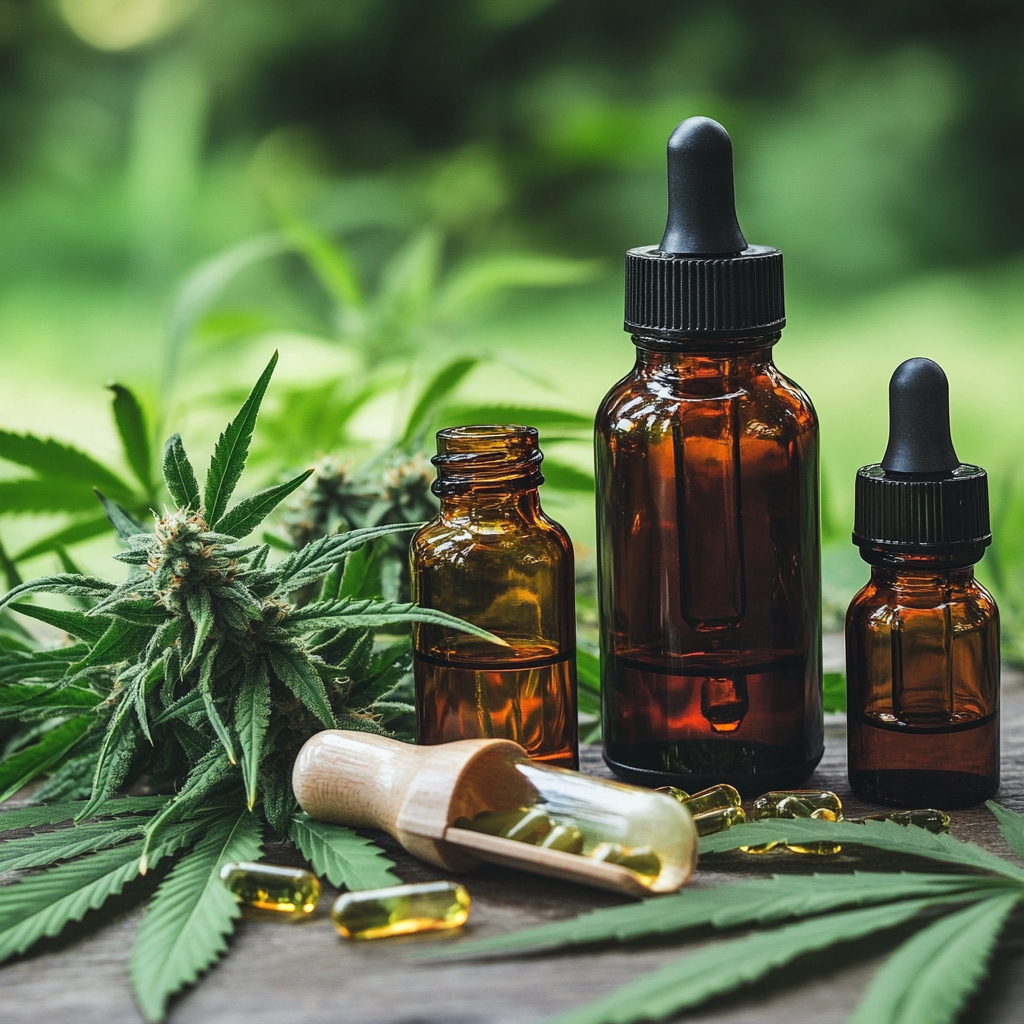
Most marijuana users learn about decarboxylation by hand. A person sprinkles raw flower right into brownie batter, bakes it, and later asks yourself why the batch barely signs up. The missing out on piece is chemistry, not effectiveness. THCA, the dominant cannabinoid in raw marijuana, is not intoxicating. Warmth transforms THCA into THC by beginning a carboxyl team as carbon dioxide. That little adjustment makes a big difference in the body, and it underpins whatever from vape style to reduce cooker cannabutter.
This procedure looks easy from the exterior: use warm, get high. In practice, decarboxylation is an equilibrium of temperature level, time, moisture, and air flow. Press it as well difficult and you scorch terpenes or weaken THC into CBN, which can leave the end item dull or overly sedative. Underdo it and you throw away product. After years of troubleshooting ranges, stoves, and removal gears, I have actually learned to deal with decarb like roasting coffee or toughening up delicious chocolate. Accuracy helps, however your nose, eyes, and judgment matter as long as the thermometer.
What decarboxylation in fact is
THCA carries an extra carboxyl team that maintains it from binding well to CB1 receptors in the mind. Heat triggers decarboxylation, a reaction that releases CO2 and leaves THC. The reaction follows predictable kinetics. Warmer temperatures make it go faster as much as a point, yet the same warm likewise drives off unstable compounds and can degrade cannabinoids. That’s why decarbing isn’t just “hotter is much better.”
At lower temperatures, the reaction takes longer yet preserves extra aromatics. At greater temperature levels, you reduce the home window but threat transforming THC to CBN and oxidized results. You additionally take the chance of cooking off monoterpenes that form flavor and subjective effect.
Different plant matrices change the math. Fine work reveals more surface area and speeds the process. Recurring wetness buffers material against rapid getting too hot and helps warmth pass through evenly, yet too much water slows down the reaction. Oil mixtures spread out cannabinoids across a heat-carrying tool and protect volatiles, though the onset of decarboxylation can delay. Every set acts somewhat differently, which is why you adjust based upon cues instead of going after a single magic temperature.
THCA versus THC in practice
Raw cannabis, bountiful in THCA, is typically used in juices and casts intended for non-intoxicating results. Some individuals report anti-inflammatory benefits or cravings inflection from THCA, though medical data stays restricted and mixed. If you want psychoactivity, you need THC, and you obtain it by home heating. This is why smoking cigarettes and vaping “simply job.” The act of burning or evaporation decarbs THCA on the fly.
Edibles and topicals ask for more idea. You can not count on a lighter to do the work. You require a controlled decarb step that fits the end use. A delicious chocolate destined for a melt-in-your-mouth confection take advantage of a gentle, terpene-friendly decarb. A full-flavored oil for sautéing can endure a slightly firmer hand, since food preparation later on includes one more heat exposure.
The temperature level and time trade-off
You’ll see charts online that claim local times to get to 97 percent conversion. Take them as directional instead of absolute. Genuine stoves visit 10 to 25 levels Fahrenheit. Materials differ. Still, a few practical arrays hold up:
- For loosened flower in an oven, several chefs settle around 230 to 250 Fahrenheit for 25 to 45 mins, checking at the fifty percent mark.
- For kief or filter, go lower and shorter, approximately 220 to 235 Fahrenheit for 20 to 30 minutes.
- For concentrates like rosin or BHO, 230 to 240 Fahrenheit for 20 to 35 mins works, with constant aesthetic checks. Thinner spreads decarb faster.
- For oil infusions, an hour or even more at 200 to 220 Fahrenheit can decarb gently within the oil, particularly if the oil is already holding ground material or a concentrate.
These varies think a starting dampness content near 10 to 12 percent and constant warmth. If the blossom really feels damp, prolong the time slightly. If it’s bone-dry, remain toward the reduced end of the variety and watch closely. The response continues momentarily after you get rid of warm, so give material a minute to resolve before assessing.
How to inform when you’ve decarbed enough
Color and scent are your overview. Raw flower starts intense environment-friendly with a verdant, chlorophyll-forward fragrance. As it decarbs, it shifts to a cozy green-brown and handles a toasty, resinous fragrance. If it turns dark brown or smells sweltered, you went too far. Concentrates bubble as carbon dioxide gets away. The gurgling slows down and comes to be thin when most THCA has transformed. If it quits totally and the material darkens significantly, you are riding the line with degradation.
With oil infusions, try to find regular small bubbles and a steady deepening of shade. If you see a moving boil, lower the heat. In all instances, stirring or delicately agitating during the procedure levels locations. Simply do not crush plant product mid-decarb, which can reveal fragile surface areas to too much heat.
THC loss throughout decarb, and why it happens
Some loss is inevitable. Cannabinoids stick to cookware, deteriorate from oxygen exposure, or transform to various other compounds at high warmth. If you pull 80 to 90 percent of academic THC after decarbing and infusion, you’re within a realistic recuperation home window. Home ovens and makeshift thermometers widen the mistake bars. The objective is not ideal effectiveness, it’s repeatability. Hit the exact same temperature and timing with similar product and your dose math begins to behave.
If making best use of return is vital, think about decarbing in a sealed, heat-safe vessel or under an inert gas covering to limit oxygen and terpene loss. Vacuum stoves and regulated lab heaters exist for a reason, but https://sjc1.vultrobjects.com/seoneo/thca-flower-near-me/thca/is-thca-legal-navigating-the-advancing-regulations-and-laws.html you can approximate their advantages with a Mason container or a secured silicone bag placed in a water bathroom, as long as you value safety.
Oven decarb, performed with care
Household stoves run warm and chilly in unpredictable cycles. Do not rely on the dial without confirmation. I maintain a tiny oven thermostat inside and a digital probe prepared for check. The middle rack normally offers the most secure heat. Preheat for a minimum of 15 mins, after that wait an additional 10 after the oven chimes ready, due to the fact that aspects overshoot and settle.
Spread lightly broken-up blossom across a parchment-lined tray in a solitary layer. Crowding catches moisture and creates sides to race in advance of the center. A loosened, regular layer decarbs uniformly. Covering with a second item of parchment or a light aluminum foil tent reduces terpene loss. A sealed jar can function as well, but remember that trapped carbon dioxide constructs pressure and the jar will certainly run somewhat hotter than the stove air. Loosen the cover or split it at intervals to vent and stir meticulously to stay clear of warm spots.
Turn the tray as soon as throughout the process to buffer against oven warm zones. If your stove’s back corner runs hotter, rotate that location ahead at the midway mark. A noticeable adjustment should take place by 15 to 20 minutes at 240 Fahrenheit. Quit when the shade deepens and the aroma shifts to toasted resin, not burned toast. Allow it cool in the open air for a few minutes before moving to an airtight container.
Water baths, sous vide, and container methods
Water is a flexible heat buffer. A sous vide stick that holds 203 to 212 Fahrenheit offers foreseeable results and lowers smell. Area flower or concentrate in a heat-safe jar or food-grade silicone bag, seal, and submerge. The water temperature level secures the optimum warm the product sees, lowering the danger of overshoot. The compromise is time; you may require 60 to 90 mins for full decarb at those temperatures.
Jars catch terpenes and minimize oxygen exposure. They also keep the cooking area from scenting like a dispensary. I classify containers with stress and date, and I never tighten the lid right while heating. Mild venting avoids stress buildup. When the bubbling slows down and the color gets to that light gold-brown, I eliminate the container and let it great prior to fully sealing.
Decarbing concentrates
With THCA-rich concentrates, decarb becomes aesthetically obvious. As heat converts THCA to THC, the concentrate thins and gurgles. Spread a thin layer in a small siliconized glass vessel or a borosilicate beaker. Go low and watch. I prefer 230 to 240 Fahrenheit in a small toaster oven with a thermostat placed near the example. Slim layers finish in 15 to 25 mins. Thicker containers require even more time.
Don’t whip intensely throughout decarb. Introducing air speeds up oxidation and can cloud the oil. Gentle stirring with a tidy glass rod or a warm dab device is enough. As soon as bubbling quiets to an occasional pop and the uniformity turns glossy, pull it. If you plan to instill right into oil, cozy the receiving oil before combining so the decarbed concentrate dissolves smoothly.
Infusing throughout decarb, or after
Decarb initially, after that instill, is the default advice for quality. You decarb the plant or concentrate, after that extract THC right into oil or alcohol. The benefit is control. You know when decarb ends and removal starts, and you can tune each step.
Some chefs decarb in the oil. It works, particularly with coconut oil, ghee, or MCT oil, which tolerate warmth and liquify cannabinoids conveniently. The oil envelope protects volatiles. The disadvantage is slower conversion, and you should mix regularly. If you select this route, maintain the oil between 200 and 220 Fahrenheit and extend the cook up until small, stable bubbles taper off and plant product, if present, looks extensively toasted.
For ethanol casts, decarb the plant before soaking, or decarb the filtered tincture in a water bathroom with the vessel uncapped in a well-ventilated area far from flames. Ethanol vapors are flammable. Many people avoid decarb in high-proof alcohol to preserve raw THCA, after that rely on temperature or a quick flame under a spoon to turn on a measured dosage when preferred. Know your end use before deciding.
Avoiding usual mistakes
Three patterns turn up typically. First, individuals set the stove to a target temperature level and never ever look once more. Stoves wander. Check midway. Second, they grind as well fine. Powdery plant heats up erratically and can swelter on the edges while the facility delays. A loosened, airy split functions much better. Third, they pursue perfect conversion at the cost of taste. A couple of percentage points of unconverted THCA will not wreck a batch, but burnt terpenes can.
If effectiveness really feels reduced, it may not be decarb in all. Look upstream at the starting material. A flower with 12 percent THCA will certainly never ever produce the exact same THC per gram as one with 24 percent, no matter the length of time you cook it. Downstream, consider infusion effectiveness. If you make use of marginal oil, cannabinoids can saturate the fat and leave some secured plant debris. Enhancing oil volume or mixing even more can improve transfer.
Simple dosing mathematics that doesn’t exist to you
Lab numbers report THCA and THC independently. To estimate prospective THC after decarb, increase THCA by 0.877 to represent the loss of the carboxyl group, then add any kind of existing THC. If a laboratory reveals 20 percent THCA and 1 percent THC by weight, the academic maximum THC is about 0.877 × 20 plus 1, or regarding 18.5 percent. Real-world healing after decarb and infusion usually lands between 60 and 85 percent of that number, depending upon method and care.
For home dosing, job in reverse from desired milligrams per offering. If your flower examinations around 18 percent THCA and you decarb 7 grams, that is roughly 7,000 mg of flower × 0.18 × 0.877, or regarding 1,104 mg theoretical THC. If your procedure catches 75 percent, expect approximately 828 mg in your final oil. Split that throughout 28 portions and you’re near 30 mg per offering. If that sounds high, water down with more oil or part smaller.
Terpenes, taste, and why the kitchen area scents different
Decarboxylation doesn’t simply transform cannabinoids. It drives off terpenes that form fragrance and effects. Myrcene softens at lower temperature levels than limonene or caryophyllene. Some loss is ensured. If taste matters, make use of the gentlest method that still finishes decarb. Jar or bag methods aid. You can likewise add food-safe agricultural terpenes back to an infusion after it cools down, however this transforms the account and occasionally the impact. One more option is to reserve a small portion of raw kief or unheated rosin to stir in at the end, adding back high notes.
If you plan to prepare with the instilled oil later on, think about the second warmth exposure. A brownie baked at 350 Fahrenheit places cannabinoids and terpenes through more anxiety. Decarb gently in advance, then pick recipes that cook reduced and slower. Conversely, coating baked products with a cooled glaze or frosting that lugs the infused oil, bypassing the 2nd bake.
Safety matters more than an ideal curve
Whenever you warm plant materials, you risk hot oil stands out and sticky spills. Wear handwear covers when taking care of warm containers, and give worldly time to cool down in the past opening. Never secure a hot container securely. Carbon dioxide remains to leave after you eliminate heat.
For alcohol-based prep work, deal with vapors with respect. Make use of a water bath, maintain open fires and stovetop heaters off, and aerate the space. An induction burner and a broad, superficial vessel assistance regulate temperature level. If you ever before smell harsh solvent smells building up, go back and air out the room.
Pets and youngsters detect the smell swiftly. Store decarbed product and infusions in plainly labeled, child-resistant containers. Concealing odor with seasonings or coffee premises helps a little, but sealed jars assist more.
The duty of wetness and why you should not over-dry
Moisture material changes just how warm relocates via plant cells. A little wet blossom, around 10 to 12 percent water, decarbs much more evenly than bone-dry product. If your flower crumbles to dirt, rehydrate lightly with a small moisture pack for a day or two prior to decarb. On the other hand, very damp blossom will certainly heavy steam and slow the response, generating unequal results. A brief pre-warm at 200 Fahrenheit for 10 mins can repel excess surface moisture before you elevate the temperature for decarb.
THCA edibles on purpose
Not every product aims for THC. Some people desire THCA for daytime usage or to prevent intoxication. If that’s the objective, keep heat out of the procedure. Cold-pressed juices, raw casts, and no-bake edibles maintain THCA. Label plainly to prevent confusion, and understand that a warm auto adventure or a bright windowsill can still push the reaction along. Also partial decarb can change a product’s feel.
Why some vapes feel different
Cartridge suppliers designer heating units and wicks to take care of decarb and evaporation concurrently. If a cartridge really feels weak initially draw, it might contain even more THCA that triggers as you warm up the coil with duplicated puffs. Temperature-controlled tools smooth this curve. If you swab THCA rubies, the very first fifty percent of a hit typically looks like a vibrant sizzle as CO2 releases, after that settles right into a smooth vapor as soon as conversion captures up. What you regard as “violence” is in some cases merely energetic decarboxylation.
Two trustworthy home methods
- Gentle stove decarb for flower
- Jar-in-water bathroom for reduced odor
Troubleshooting by symptom
If your edibles are weaker than anticipated and you followed a reasonable decarb timetable, take a look at mixture strategy. Cannabinoids prefer fat. A splash of lecithin, one to two percent by weight, can improve dispersion and perceived beginning. Mix longer, or steep the plant product in cozy oil for an extra 30 to 60 minutes after decarb. Stress thoroughly but don’t wring the bag hard, which presses chlorophyll and great fragments into the oil and affects taste.
If the product feels even more sedating than planned, you may be riding the edge of THC degradation. Reduced the decarb temperature by 10 to 15 degrees Fahrenheit and draw a couple of minutes previously. Utilize a sealed technique to maintain more volatile compounds. Consider beginning with fresher product, because aged blossom currently builds up CBN and oxidized terpenes.
If the smell overwhelms your space, usage jar or bag approaches and ensure stable air flow. Odor-absorbing gels and carbon filters help, however the very best repair is control. Organizing decarb when neighbors are away or windows can be opened up without attracting interest minimizes stress.
Why precision issues less than consistency
The web loves a perfect number. Real kitchens hardly ever provide one. Rather than going after 245 Fahrenheit for exactly 32.5 minutes, build a routine: exact same shelf, same tray, exact same layer thickness, very same thermostat. Note just how the material looks and scents at the moment you like the outcomes. Adjust as soon as at once. You’ll come to a residence design that fits your equipment and the kind of items you prefer.
On the laboratory side, every strain and layout brings its very own peculiarities. Thick, resinous blossoms commonly decarb efficiently. Airy, leafed sets can turn quicker and need a lighter touch. Winterized concentrates act in different ways than raw rosin. THCA crystalline converts promptly however lacks the terpene barrier that can safeguard THC from rough heat. Regard those distinctions, and your results will certainly show it.
The silent craft of transforming THCA into THC
Good decarb does not call attention to itself. You taste the plant, not the process. The high starts clean, increases predictably, and discolors without a sloppy tail. It’s the kind of outcome you just get by stabilizing chemistry with sensory cues. Set your devices up for repeatability, examine your warm, and allow your eyes and nose make the last telephone call. With practice, THCA becomes THC without dramatization, et cetera of your recipe can shine.