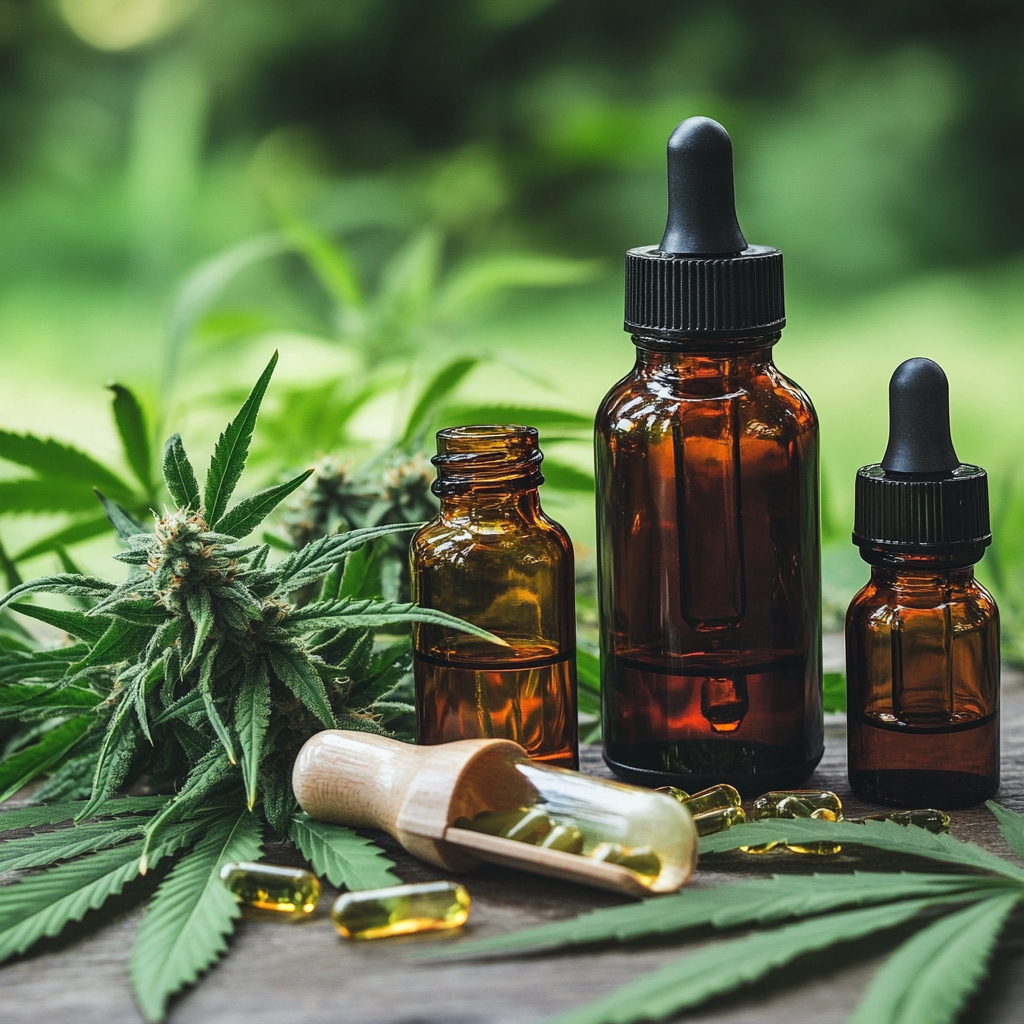
Most marijuana users discover decarboxylation the hard way. Someone sprays raw flower into brownie batter, bakes it, and later asks yourself why the batch barely signs up. The missing item is chemistry, not effectiveness. THCA, the dominant cannabinoid in raw marijuana, is not intoxicating. Warm transforms THCA right into THC by kicking off a carboxyl group as co2. That tiny change makes a huge distinction in the body, and it underpins whatever from vape layout to slow down cooker cannabutter.
This process looks simple from the exterior: use warmth, get high. In method, decarboxylation is an equilibrium of temperature, time, wetness, and air movement. Push it as well hard and you scorch terpenes or degrade THC into CBN, which can leave the end item dull or overly sedative. Underdo it and you lose product. After years of repairing stoves, ovens, and removal rigs, I’ve learned to treat decarb like toasting coffee or solidifying chocolate. Precision assists, however your nose, eyes, and judgment matter as much as the thermometer.
What decarboxylation actually is
THCA lugs an additional carboxyl group that maintains it from binding well to CB1 receptors in the brain. Warmth activates decarboxylation, a response that releases carbon dioxide and leaves behind THC. The reaction adheres to foreseeable kinetics. Warmer temperatures make it go faster approximately a factor, but the same heat also repels unpredictable substances and can deteriorate cannabinoids. That’s why decarbing isn’t just “hotter is much better.”
At reduced temperatures, the response takes longer yet protects extra aromatics. At greater temperature levels, you reduce the window yet danger transforming THC to CBN and oxidized byproducts. You likewise run the risk of cooking off monoterpenes that form flavor and subjective effect.
Different plant matrices transform the math. Fine grind subjects more surface area and rates the procedure. Residual dampness buffers material against fast getting too hot and aids heat permeate evenly, yet excessive water slows the reaction. Oil mixtures spread cannabinoids across a heat-carrying medium and safeguard volatiles, though the start of decarboxylation can delay. Every batch behaves somewhat in different ways, which is why you adjust based on cues as opposed to chasing after a single magic temperature.
THCA versus THC in practice
Raw marijuana, plentiful in THCA, is commonly utilized in juices and casts planned for non-intoxicating effects. Some individuals report anti-inflammatory advantages or cravings modulation from THCA, though medical information remains limited and combined. If you desire psychoactivity, you need THC, and you obtain it by heating. This is why smoking and vaping “just job.” The act of burning or evaporation decarbs THCA on the fly.
Edibles and topicals request even more thought. You can’t rely upon a lighter to do the job. You need a regulated decarb step that fits completion usage. A chocolate predestined for a melt-in-your-mouth confection gain from a gentle, terpene-friendly decarb. A mouthwatering oil for sautéing can tolerate a somewhat firmer hand, because cooking later adds one more heat exposure.
The temperature and time trade-off
You’ll see graphes online that declare exact times to reach 97 percent conversion. Take them as directional rather than outright. Actual stoves visit 10 to 25 degrees Fahrenheit. Materials vary. Still, a couple of functional varieties hold up:
- For loose blossom in a stove, several chefs clear up around 230 to 250 Fahrenheit for 25 to 45 minutes, inspecting at the fifty percent mark.
- For kief or filter, go lower and much shorter, roughly 220 to 235 Fahrenheit for 20 to 30 minutes.
- For focuses like rosin or BHO, 230 to 240 Fahrenheit for 20 to 35 minutes works, with constant visual checks. Thinner spreads decarb faster.
- For oil infusions, an hour or more at 200 to 220 Fahrenheit can decarb gently within the oil, especially if the oil is already holding ground material or a concentrate.
These ranges presume a beginning dampness web content near 10 to 12 percent and consistent warmth. If the flower feels moist, prolong the moment a little. If it’s bone-dry, remain toward the reduced end of the range and watch closely. The response proceeds momentarily after you get rid of warmth, so offer product a minute to work out before assessing.
How to inform when you have actually decarbed enough
Color and aroma are your guide. Raw blossom starts brilliant green with a grassy, chlorophyll-forward fragrance. As it decarbs, it moves to a cozy green-brown and takes on a cozy, resinous scent. If it transforms dark brownish or smells sweltered, you went too much. Concentrates bubble as CO2 leaves. The bubbling reduces and ends up being sparse when most THCA has actually converted. If it stops totally and the material darkens significantly, you are riding the line with degradation.
With oil mixtures, seek consistent tiny bubbles and a steady strengthening of shade. If you see a moving boil, reduced the heat. In all instances, stirring or carefully perturbing during the procedure evens out locations. Just don’t shatter plant product mid-decarb, which can reveal fragile surfaces to excessive heat.
THC loss during decarb, and why it happens
Some loss is inescapable. Cannabinoids stay with cooking equipment, deteriorate from oxygen direct exposure, or convert to other substances at high warm. If you pull 80 to 90 percent of theoretical THC after decarbing and mixture, you’re within a reasonable recuperation window. Home ovens and makeshift thermometers widen the mistake bars. The goal is not perfect effectiveness, it’s repeatability. Hit the exact same temperature level and timing with comparable product and your dose mathematics starts to behave.
If maximizing return is crucial, think about decarbing in a secured, heat-safe vessel or under an inert gas covering to restrict oxygen and terpene loss. Vacuum cleaner stoves and controlled research laboratory heating systems exist for a reason, but you can approximate their advantages with a Mason container or a sealed silicone pouch put in a water bathroom, as long as you respect safety.
Oven decarb, made with care
Household stoves run hot and cold in uncertain cycles. Do not rely on the dial without verification. I maintain a tiny stove thermostat inside and an electronic probe prepared for check. The center rack usually supplies the most secure heat. Preheat for at least 15 mins, then wait one more 10 after the stove chimes prepared, because aspects overshoot and settle.
Spread lightly broken-up flower throughout a parchment-lined tray in a single layer. Crowding catches dampness and causes sides to race ahead of the facility. A loosened, consistent layer decarbs uniformly. Treatment with a 2nd piece of parchment or a light aluminum foil outdoor tents reduces terpene loss. A covered jar can function as well, however bear in mind that entraped carbon dioxide constructs pressure and the container will run somewhat hotter than the oven air. Loosen up the cover or fracture it at intervals to air vent and stir meticulously to prevent hot spots.
Turn the tray once throughout the procedure to buffer against oven warm areas. If your oven’s back corner runs hotter, turn that location ahead at the midway mark. A noticeable adjustment ought to occur by 15 to 20 mins at 240 Fahrenheit. Stop when the color deepens and the aroma moves to toasted resin, not burned salute. Allow it cool down in the open air for a few minutes before moving to a closed container.
Water bathrooms, sous vide, and jar methods
Water is a flexible warm buffer. A sous vide stick that holds 203 to 212 Fahrenheit offers predictable outcomes and lowers smell. Area blossom or concentrate in a heat-safe container or food-grade silicone bag, seal, and immerse. The water temperature secures the optimum warm the product sees, reducing the risk of overshoot. The compromise is time; you may need 60 to 90 minutes for full decarb at those temperatures.
Jars trap terpenes and lessen oxygen exposure. They additionally maintain the cooking area from smelling like a dispensary. I label containers with pressure and date, and I never ever tighten up the cover right while home heating. Gentle airing vent avoids pressure accumulation. When the gurgling slows down and the color reaches that light gold-brown, I remove the jar and allow it cool prior to completely sealing.
Decarbing concentrates
With THCA-rich concentrates, decarb ends up being visually noticeable. As warm transforms THCA to THC, the concentrate thins and gurgles. Spread a thin layer in a tiny siliconized glass vessel or a borosilicate beaker. Go low and watch. I prefer 230 to 240 Fahrenheit in a tiny toaster with a thermostat placed near the sample. Slim layers finish in 15 to 25 minutes. Thicker containers require even more time.
Don’t whip intensely throughout decarb. Presenting air accelerates oxidation and can shadow the oil. Mild mixing with a clean glass pole or a warm bit tool is enough. As soon as bubbling quiets to a periodic pop and the uniformity turns glossy, draw it. If you plan to instill into oil, cozy the getting oil before combining so the decarbed concentrate liquifies smoothly.
Infusing throughout decarb, or after
Decarb initially, after that instill, is the default advice for quality. You decarb the plant or concentrate, after that remove THC into oil or alcohol. The benefit is control. You understand when decarb ends and removal begins, and you can tune each step.
Some chefs decarb in the oil. It works, specifically with coconut oil, ghee, or MCT oil, which endure warmth and liquify cannabinoids conveniently. The oil envelope secures volatiles. The drawback is slower conversion, and you must mix often. If you select this route, maintain the oil in between 200 and 220 Fahrenheit and expand the chef up until tiny, consistent bubbles taper off and plant material, if existing, looks extensively toasted.
For ethanol casts, decarb the plant before saturating, or decarb the filteringed system cast in a water bath with the vessel uncapped in a well-ventilated location away from fires. Ethanol vapors are flammable. Many individuals avoid decarb in high-proof alcohol to maintain raw THCA, then rely on body heat or a fast flame under a spoon to trigger a determined dose when preferred. Know your end use prior to deciding.
Avoiding usual mistakes
Three patterns turn up commonly. Initially, individuals set the oven to a target temperature level and never ever look again. Stoves drift. Examine midway. Second, they grind also great. Powdery plant heats unevenly and can blister on the brink while the center lags. A loosened, airy separation functions better. Third, they seek ideal conversion at the price of taste. A few portion points of unconverted THCA will not destroy a set, yet scorched terpenes can.
If potency feels low, it may not be decarb in any way. Look upstream at the starting product. A flower with 12 percent THCA will certainly never generate the same THC per gram as one with 24 percent, despite the length of time you cook it. Downstream, take into consideration infusion effectiveness. If you utilize marginal oil, cannabinoids can fill the fat and leave some locked in plant debris. Increasing oil quantity or mixing even more can boost transfer.
Simple dosing math that doesn’t exist to you
Lab numbers report THCA and THC independently. To approximate potential THC after decarb, multiply THCA by 0.877 to make up the loss of the carboxyl team, then include any type of existing THC. If a laboratory shows 20 percent THCA and 1 percent THC by weight, the theoretical maximum THC is approximately 0.877 × 20 plus 1, or concerning 18.5 percent. Real-world recuperation after decarb and mixture usually lands between 60 and 85 percent of that number, relying on method and care.
For home dosing, job in reverse from preferred milligrams per serving. If your blossom examinations around 18 percent THCA and you decarb 7 grams, that is approximately 7,000 mg of flower × 0.18 × 0.877, or concerning 1,104 mg theoretical THC. If your process captures 75 percent, anticipate about 828 mg in your final oil. Split that across 28 servings and you’re near 30 mg per serving. If that seems high, weaken with even more oil or section smaller.
Terpenes, flavor, and why the kitchen smells different
Decarboxylation doesn’t simply transform cannabinoids. It drives off terpenes that form fragrance and impacts. Myrcene softens at lower temperature levels than limonene or caryophyllene. Some loss is ensured. If taste issues, utilize the gentlest strategy that still completes decarb. Jar or bag methods help. You can also include food-safe botanical terpenes back to an infusion after it cools, yet this alters the profile and in some cases the impact. One more option is to reserve a little section of raw kief or unheated rosin to stir in at the end, including back high notes.
If you prepare to cook with the instilled oil later on, think about the 2nd warm exposure. A brownie baked at 350 Fahrenheit places cannabinoids and terpenes through more stress and anxiety. Decarb delicately in advance, after that pick dishes that cook reduced and slower. Additionally, finish baked items with a cooled down glaze or frosting that brings the infused oil, bypassing the 2nd bake.
Safety matters greater than a best curve
Whenever you warmth plant materials, you risk hot oil pops and sticky spills. Use handwear covers thca when dealing with warm containers, and provide worldly time to cool down before opening. Never ever seal a warm jar securely. CO2 remains to leave after you eliminate heat.
For alcohol-based preparations, treat vapors with regard. Utilize a water bathroom, maintain open fires and stovetop burners off, and ventilate the area. An induction heater and a broad, shallow vessel aid control temperature level. If you ever smell extreme solvent odors building up, go back and air out the room.
Pets and kids pick up on the smell swiftly. Shop decarbed material and mixtures in clearly labeled, child-resistant containers. Masking smell with seasonings or coffee premises assists a little, but secured containers help more.
The role of moisture and why you should not over-dry
Moisture web content changes just how warmth moves via plant tissue. A little damp blossom, around 10 to 12 percent water, decarbs a lot more uniformly than bone-dry product. If your blossom falls apart to dust, rehydrate gently with a little moisture pack for a day or 2 before decarb. Conversely, very wet blossom will steam and reduce the response, generating uneven outcomes. A brief pre-warm at 200 Fahrenheit for 10 minutes can drive off excess surface area wetness prior to you increase the temperature for decarb.
THCA edibles on purpose
Not every item aims for THC. Some people want THCA for daytime use or to avoid drunkenness. If that’s the objective, keep warm out of the process. Cold-pressed juices, raw tinctures, and no-bake edibles preserve THCA. Label plainly to avoid complication, and understand that a cozy vehicle trip or a bright windowsill can still nudge the reaction along. Even partial decarb can transform an item’s feel.
Why some vapes really feel different
Cartridge suppliers engineer heaters and wicks to manage decarb and evaporation concurrently. If a cartridge really feels weak initially draw, it may consist of even more THCA that turns on as you heat the coil through repeated smokes. Temperature-controlled devices smooth this contour. If you dab THCA diamonds, the very first fifty percent of a hit usually looks like a vibrant sizzle as carbon dioxide launches, then works out right into a smooth vapor once conversion captures up. What you view as “violence” is in some cases just energetic decarboxylation.
Two trustworthy home methods
- Gentle stove decarb for flower
- Jar-in-water bathroom for low odor
Troubleshooting by symptom
If your edibles are weaker than anticipated and you followed an affordable decarb routine, look at infusion method. Cannabinoids choose fat. A sprinkle of lecithin, one to two percent by weight, can enhance diffusion and viewed start. Stir longer, or steep the plant product in cozy oil for an added 30 to 60 minutes after decarb. Strain thoroughly but don’t wring the bag hard, which pushes chlorophyll and fine bits right into the oil and influences taste.
If the item really feels even more sedating than prepared, you might be riding the side of THC deterioration. Reduced the decarb temperature level by 10 to 15 degrees Fahrenheit and pull a couple of minutes previously. Make use of a covered approach to maintain more unstable substances. Take into consideration beginning with fresher material, given that aged blossom currently builds up CBN and oxidized terpenes.
If the scent bewilders your room, usage jar or bag techniques and make certain consistent ventilation. Odor-absorbing gels and carbon filters aid, but the best solution is containment. Scheduling decarb when neighbors are away or windows can be opened up without attracting focus decreases stress.
Why precision issues much less than consistency
The net loves an excellent number. Real kitchens seldom deliver one. Rather than chasing after 245 Fahrenheit for precisely 32.5 minutes, develop a routine: same shelf, very same tray, same layer thickness, very same thermostat. Keep in mind just how the material looks and smells right now you such as the outcomes. Readjust as soon as at a time. You’ll reach a residence design that matches your devices and the type of items you prefer.
On the laboratory side, every stress and style lugs its own peculiarities. Thick, resinous blossoms often decarb efficiently. Airy, leafy sets can swing faster and need a lighter touch. Winterized focuses act differently than raw rosin. THCA crystalline converts promptly however does not have the terpene buffer that can protect THC from severe heat. Regard those differences, and your outcomes will certainly reveal it.
The peaceful craft of turning THCA right into THC
Good decarb doesn’t call attention to itself. You taste the plant, not the process. The high begins tidy, rises naturally, and fades without a sloppy tail. It’s the type of outcome you just get by stabilizing chemistry with sensory hints. Establish your tools up for repeatability, examine your heat, and allow your eyes and nose make the final phone call. With technique, THCA becomes THC without dramatization, et cetera of your recipe can shine.